

Nicaragua needs prayer as political power becomes more concentrated, opportunities for political participation narrow, and Christian leaders and communities continue to face restrictions on religious life.
Pray for churches in Nicaragua to remain faithful to Christ as political and religious freedoms become more restricted. Pray for pastors, priests, Christian families, and believers in exile; for freedom to worship and proclaim the gospel; for rulers to exercise authority with justice and restraint; and for many people to repent of sin and trust in Christ.
Last verified: August 13, 2026
Why Nicaragua Needs Prayer Now
Political participation is narrowing, and churches need wisdom and courage in an environment where public speech and some Christian activity can draw government scrutiny.
Political participation and public dissent in Nicaragua are becoming more restricted.
The constitutional changes of 2025 strengthened the presidency and established Daniel Ortega and Rosario Murillo as co-presidents. In July 2026, Ortega went further, declaring that opponents whom the government associates with foreign powers would not again be allowed to gain power through elections. The National Assembly and electoral authorities then began preparing constitutional and legal changes intended to restrict the participation of people the government describes as coup plotters or traitors to the homeland.
Nicaraguan authorities say these measures are intended to defend national sovereignty, peace, stability, and independence from foreign interference. Because the legal changes are still being developed, their final form is not yet known. What is already clear is that the government intends to place further limits on which political opponents may compete for power.
This matters for Christians without requiring churches to become instruments of either the government or the opposition. When public speech is closely watched and dissent may carry serious consequences, believers need wisdom and courage. They need to tell the truth without hatred, refuse to let fear control them, pray honestly for those in authority, and resist giving any leader, party, or political movement the loyalty that belongs to Christ.
Religious freedom also remains a serious concern. Recent reporting describes pressure affecting both Catholic and Protestant communities, including detention, legal restrictions, closures of organizations, property seizure, surveillance, and difficulties faced by religious leaders and believers in exile.
Pray, then, not simply for political change but for justice, repentance, faithful churches, truthful public life, mercy for those who suffer, and the saving work of Christ among the people of Nicaragua.
Country Snapshot
A compact picture of Nicaragua’s setting and the conditions Christians need to understand as they pray.
Nicaragua is a Central American country of about 6.9 million people. Roman Catholic and Protestant or evangelical traditions both form significant parts of its religious landscape. These labels describe religious identity; they do not tell us whether an individual has repented of sin and is trusting in Christ for salvation.
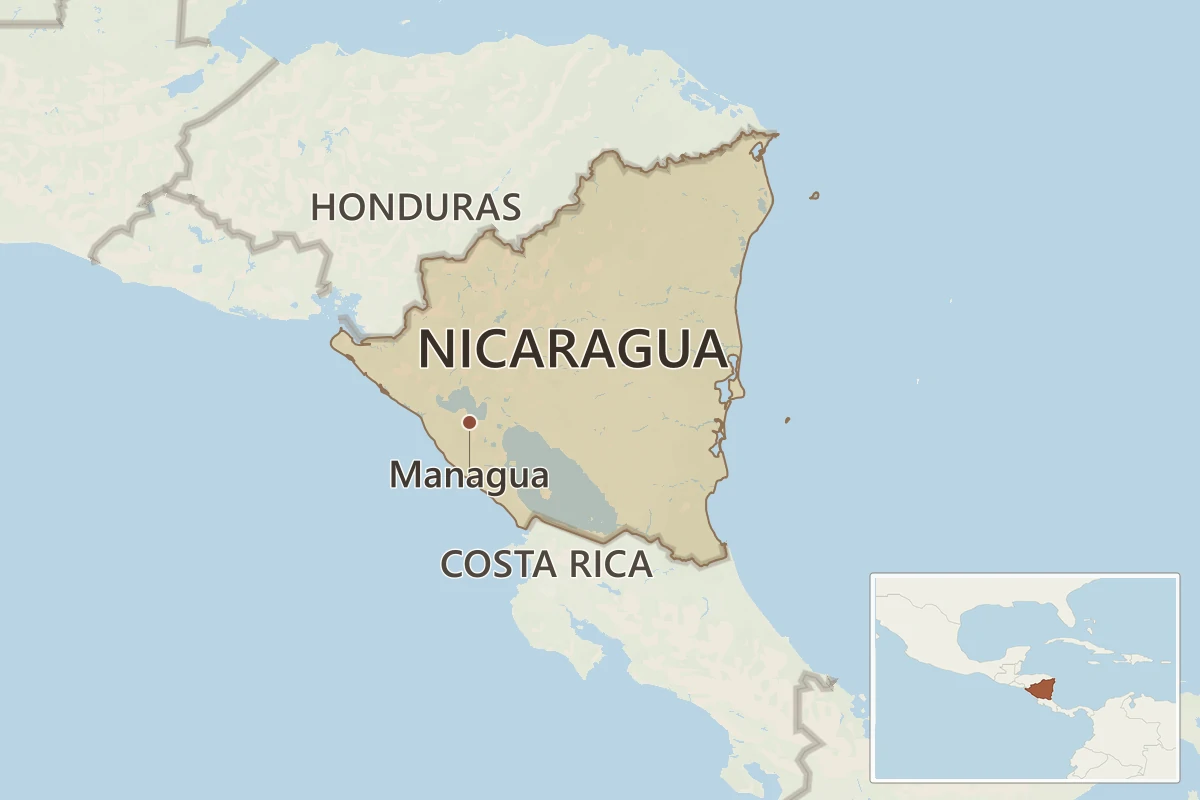
Daniel Ortega and Rosario Murillo serve as co-presidents under the constitutional order established in 2025. The presidency exercises extensive authority within the state, while political participation has become increasingly restricted.
In July 2026, the government began developing further constitutional and electoral changes after Ortega declared that opponents associated by the government with foreign interference should not regain power through elections. Because that work is still underway, the exact rules that will emerge are not yet settled.
Nicaragua’s constitution contains formal protections for religion and worship, while religious-freedom organizations continue to report serious restrictions affecting some Christian leaders, churches, and ministries.
For Christians praying for Nicaragua, two realities matter: Christianity has a long and visible public presence in the country, yet some believers and church leaders may pay a significant price for independent ministry, public speech, or actions the authorities regard as political.
Spiritual and Practical Challenges Affecting Christians and Churches
Legal restrictions, public scrutiny, political pressure, exile, and spiritual temptations all affect the way churches seek to remain faithful.
Pressure on church leaders and religious organizations
Religious leaders and institutions have faced surveillance, detention, legal pressure, confiscation, restrictions on public activity, and exile. Recent reports have included several cases involving Catholic clergy. In late June 2026, Bishop Emeritus Juan Abelardo Mata Guevara and three other Catholic religious leaders in Estelí were detained.
Mata’s later status has been described differently by official and outside sources. Nicaragua’s Interior Ministry said on July 4 that he had returned home after an investigation and was in good condition. On July 16, however, the Inter-American Commission on Human Rights said that it still lacked independent information confirming his whereabouts or health and expressed concern about reports that he remained under effective house restriction. On August 12, El 19 Digital published a new interview with Mata, showing him speaking publicly after the earlier uncertainty about his whereabouts. The interview did not establish whether restrictions on his movement or ministry remained.
Protestant and evangelical Christians have also been affected. Religious-freedom organizations have reported cases involving Protestant pastors and leaders. Pastor Rudy Palacios Vargas and five relatives or associates were released from prison in January 2026 after six months of detention, but Christian Solidarity Worldwide reported that members of the group remained under house arrest or other precautionary restrictions.
Conditions are not identical for every congregation or in every part of Nicaragua. Some churches and leaders have faced direct state action, while others may continue much of their normal ministry with fewer visible restrictions.
The cost of public Christian faithfulness
Pastors and other Christian leaders may need particular wisdom about sermons, public prayers, charitable work, and statements about national life. Words or actions intended as Christian ministry can sometimes be interpreted politically.
Faithfulness does not require unnecessary confrontation. But fear should not determine what Christians preach, believe, or do. Pray for church leaders to know when to speak, how to protect vulnerable people, and how to remain truthful and courageous without becoming reckless or partisan.
Spiritual dangers in a pressured church
Pressure from outside the church can also expose temptations within it. Fear can make Christians silent when they should speak. Anger can grow into bitterness. Loyalty to a government or opposition movement can begin to matter more than faithfulness to Christ. Pastors and families can become exhausted. Exile can separate believers from relatives, congregations, and long-standing friendships.
Pray for churches to be deeply rooted in Scripture, clear about the gospel, serious about discipleship, and ready to love neighbours and enemies while rejecting dishonesty and refusing to take part in injustice.
Christian Life and Witness in Nicaragua
Christian faithfulness continues through worship, discipleship, family life, mercy, evangelism, and ordinary obedience even when public life is politically charged.
Christian life in Nicaragua is about far more than arrests, laws, and disputes with the state.
Believers still gather for worship, teach their children, listen to Scripture, care for one another, serve neighbours, disciple younger Christians, support struggling families, and speak about Christ. Worship, caring for one another, and speaking about Christ matter especially when public speech and ministry can attract scrutiny.
Conditions vary among churches. Catholic clergy and institutions have faced some of the most visible confrontations with the state. Protestant and evangelical leaders also appear in reports of religious restrictions. Other congregations may face fewer direct interventions while still needing wisdom about public ministry and speech.
Not every congregation faces the same level or kind of pressure, and not everyone who identifies as Catholic, Protestant, evangelical, or otherwise Christian is necessarily trusting in Christ.
Nicaragua needs clear gospel preaching and faithful biblical discipleship in every professing Christian community. Pray that people would not rest in inherited religion, denominational identity, religious observance, or political allegiance. Pray that they would repent of sin, trust in Christ alone for salvation, grow in the knowledge of Scripture, and learn to follow Him in every part of life.
Exile also affects Christian life. Believers outside Nicaragua may be separated from relatives, congregations, ministries, and familiar communities. Pray for churches elsewhere to welcome and shepherd them well. Pray also for Christians who remain in Nicaragua to have strength for worship, evangelism, discipleship, pastoral care, and practical mercy.
The church’s hope does not depend on any political system lasting forever. Christ reigns over every ruler and nation and will not abandon His people. That hope should make Christians more faithful now—more committed to truth, justice, love of neighbour, holiness, and courageous witness.
Recent Developments
Recent events that help Christians understand what is changing in Nicaragua and how to pray.
-
May 5, 2026
Serious restrictions affecting Catholic and Protestant communities continued
USCIRF reported continuing severe restrictions affecting Catholic and Protestant communities, including detention, closures of organizations, property seizure, legal pressure, and difficulties affecting religious leaders and believers in exile.
Prayer significance: Pray for faithful ministry, protection for vulnerable believers and leaders, and freedom for churches to worship, disciple, and serve without unjust interference.
-
June 29–August 12, 2026
Detentions and later public appearance of Bishop Abelardo Mata
Bishop Emeritus Juan Abelardo Mata Guevara and three other Catholic religious leaders were detained in late June. Nicaragua’s Interior Ministry said on July 4 that Mata had returned home after an investigation and was in good condition. On July 16, the IACHR said that it still lacked independent information confirming his whereabouts or health and raised concern about reports that he remained under effective house restriction. On August 12, El 19 Digital published a new interview with Mata. The interview showed him speaking publicly after the earlier uncertainty about his whereabouts, but it did not establish whether restrictions on his movement or ministry remained.
Prayer significance: Pray for truth and clarity about the circumstances facing church leaders, for freedom to carry out faithful pastoral ministry, and for Christians affected by detention or restriction to receive mercy, justice, and strength.
-
July 19–22, 2026
Electoral declaration followed by legal reform work
Ortega declared that political opponents whom the government associates with foreign interference would not again be permitted an electoral route to power. The National Assembly and electoral authorities then began preparing constitutional and legal changes intended to put that direction into effect. The government says the measures are intended to defend national sovereignty and national control of elections. The final legal arrangements were still being developed as of August 13, 2026.
Prayer significance: Pray for rulers and public institutions to act truthfully and justly, for wrongdoing to be restrained, and for Christians to respond without fear or hatred and without allowing party loyalties to take the place of loyalty to Christ.
How to Pray
Bring Nicaragua’s churches, rulers, families, and need for the gospel before God in specific, biblically grounded prayer.
-
Pray for faithful preaching and genuine conversion. Ask God to keep pastors, elders, teachers, and other Christian leaders faithful to Scripture and clear about salvation through Christ. Pray that inherited religion or denominational identity would never replace repentance and saving faith.
-
Pray for courage and wisdom under pressure. Pray for Christians whose churches, ministries, leaders, or public words face scrutiny. Ask God to show them when and how to speak, to give them courage when obedience is costly, and to protect them from both fear and recklessness.
-
Pray for pastors, priests, congregations, and ministries facing restrictions. Remember those affected by detention, surveillance, legal pressure, confiscation, exile, or limits on ministry. Pray for protection, provision, faithful shepherding, perseverance, and opportunities to make Christ known.
-
Pray for Nicaragua’s rulers and public institutions. Ask God to give those in authority truthfulness, justice, restraint, wisdom, and concern for the people they govern. Pray that wrongdoing would be restrained and exposed, and that those responsible for injustice would repent.
-
Pray for families affected by exile and separation. Ask God to sustain people separated from relatives, churches, livelihoods, and familiar communities. Pray for congregations inside and outside Nicaragua to care well for displaced and exiled believers.
-
Pray for Christians across political divisions. Ask the Lord to keep churches from becoming servants of either the ruling party or the political opposition. Pray for believers to uphold truth and justice without hatred, to love their neighbours, and to remember that their highest allegiance belongs to Christ.
-
Pray for gospel fruit and enduring hope. Pray for sinners to repent and believe, for Christians to grow in holiness and perseverance, and for churches to live faithfully under Christ’s rule. Pray, “Your kingdom come,” trusting God rather than fearing human power.
Give Thanks
Give thanks for specific signs of God’s preserving mercy without minimizing Nicaragua’s present burdens.
-
Give thanks for faithful gospel ministry. Thank God for every place where Christ is faithfully proclaimed, Scripture is taught, and believers are strengthened in faith and obedience.
-
Give thanks for courage among Christians. Thank God for believers who continue to worship, pray, serve others, and confess Christ when doing so is costly.
-
Give thanks for mercy shown to people in need. Thank God wherever Christians care for vulnerable people, support struggling families, strengthen those living in exile, and serve their neighbours with practical love.
-
Give thanks that no earthly power is ultimate. God remains sovereign over rulers and nations. He preserves His church, hears the prayers of His people, and continues to call sinners to repentance and faith in Jesus Christ.
Last Verified / Update Note
This note shows when the guide was last checked and highlights developments readers may want to keep in prayer.
Review Status
Reviewed and updated
Since the April 18, 2026 edition, this guide has been updated to reflect the current co-presidency, Ortega’s July electoral declaration, the continuing constitutional and electoral reform process, restrictions affecting Catholic and Protestant Christian life, recent detentions of religious leaders, the August 12 public interview with Bishop Emeritus Juan Abelardo Mata, and pressures connected with exile. It also reflects the continuing need for faithful discipleship and for Christians to make Christ known.
Faithful preaching and genuine conversion; courage and wisdom for Christian leaders; freedom for worship and gospel ministry; truthful and just government; restraint in the use of state power; mercy for people affected by detention, exile, confiscation, or family separation; and churches whose hope remains firmly in Christ.
The final text, approval, and implementation of the constitutional and electoral changes being developed after July 19; any resulting changes to political participation or future elections; any further information about restrictions on Bishop Abelardo Mata’s movement or pastoral ministry; further detention, release, restriction, or legal action involving Christian leaders, churches, religious organizations, schools, charities, or public worship; and significant developments affecting Nicaraguans living in exile.
This guide draws on Nicaraguan constitutional and government material together with Nicaraguan independent reporting, Latin American and inter-American sources, United Nations material, religious-freedom organizations, and reputable international reporting. Official authorities and outside organizations sometimes describe disputed government actions very differently. For that reason, confirmed events, government explanations, outside assessments, and claims that cannot yet be independently confirmed are kept distinct.
Help keep this guide accurate and current
If you noticed a possible correction, broken link, or significant country update, please contact the Nations Prayer Directory so we can review it carefully.
Key Sources Consulted
Key official, regional, institutional, religious-freedom, independent, and international sources consulted for this guide.
Government, Constitution, and Electoral Reform
- National Assembly of Nicaragua — July 22, 2026: work on constitutional and electoral changes
- National Assembly of Nicaragua — Constitution of Nicaragua
- El 19 Digital — July 27, 2026: consultation on proposed partial constitutional reform
- Reuters Connect — Latin America News Agency footage — July 21, 2026: recorded Ortega remarks concerning future elections and opposition access to power
- EFE — July 28, 2026: reporting on the developing electoral-reform framework
Civil, Political, and Religious Freedom
- United Nations — Daily Press Briefing — July 22, 2026: Nicaragua civic and political space and participation concerns
- Inter-American Commission on Human Rights — July 16, 2026: Bishop Abelardo Mata and religious-freedom concerns
- El 19 Digital — August 12, 2026: interview with Bishop Emeritus Juan Abelardo Mata
- Nicaragua Ministry of the Interior — July 4, 2026: official statement concerning Bishop Abelardo Mata
- USCIRF — May 5, 2026: Nicaragua religious-freedom update
- Christian Solidarity Worldwide — July 6, 2026: detention of Catholic religious leaders in Estelí
- Christian Solidarity Worldwide — July 15, 2026: January–June religious-freedom review
- Confidencial — July 4, 2026: independent Nicaraguan reporting on the government statement concerning Bishop Mata
Source Context
A few notes help readers understand important differences among the sources and where facts remain disputed or unsettled.
Source Context
- Electoral reform status. Ortega’s July declaration is established, and government institutions subsequently began preparing constitutional and legal changes. As of August 13, 2026, those changes were still being developed and had not been enacted as a final legal framework.
- Official and outside perspectives. Government sources describe the proposed electoral changes as measures to defend sovereignty, peace, stability, and elections free from foreign interference. UN, inter-American, independent, and international sources have raised serious concerns about political participation, civic freedom, and further concentration of power. Neither an official explanation nor outside criticism, by itself, settles disputed facts.
- Religious-freedom evidence. USCIRF and Christian Solidarity Worldwide document restrictions affecting Catholic and Protestant communities. These organizations focus specifically on religious freedom. Official material and inter-American human-rights reporting provide additional context for understanding conditions affecting churches and Christian leaders in Nicaragua.
- Bishop Abelardo Mata. Nicaragua’s Interior Ministry said on July 4 that Mata had returned home and was well. On July 16, the IACHR said independent confirmation of his whereabouts and health was still unavailable. On August 12, El 19 Digital published a new interview with Mata, showing him speaking publicly after the earlier uncertainty about his whereabouts. That later appearance does not by itself establish unrestricted freedom of movement or ministry, so some questions about his situation remain unresolved.
- Limits on generalization. Reports of detention, surveillance, restrictions, or government intervention do not establish that every Catholic, Protestant, evangelical, or other professing Christian community experiences the same conditions. These documented cases should not be assumed to describe every church or congregation in Nicaragua.
A Closing Prayer for Nicaragua
A concise prayer bringing Nicaragua’s present needs before the Lord.


