

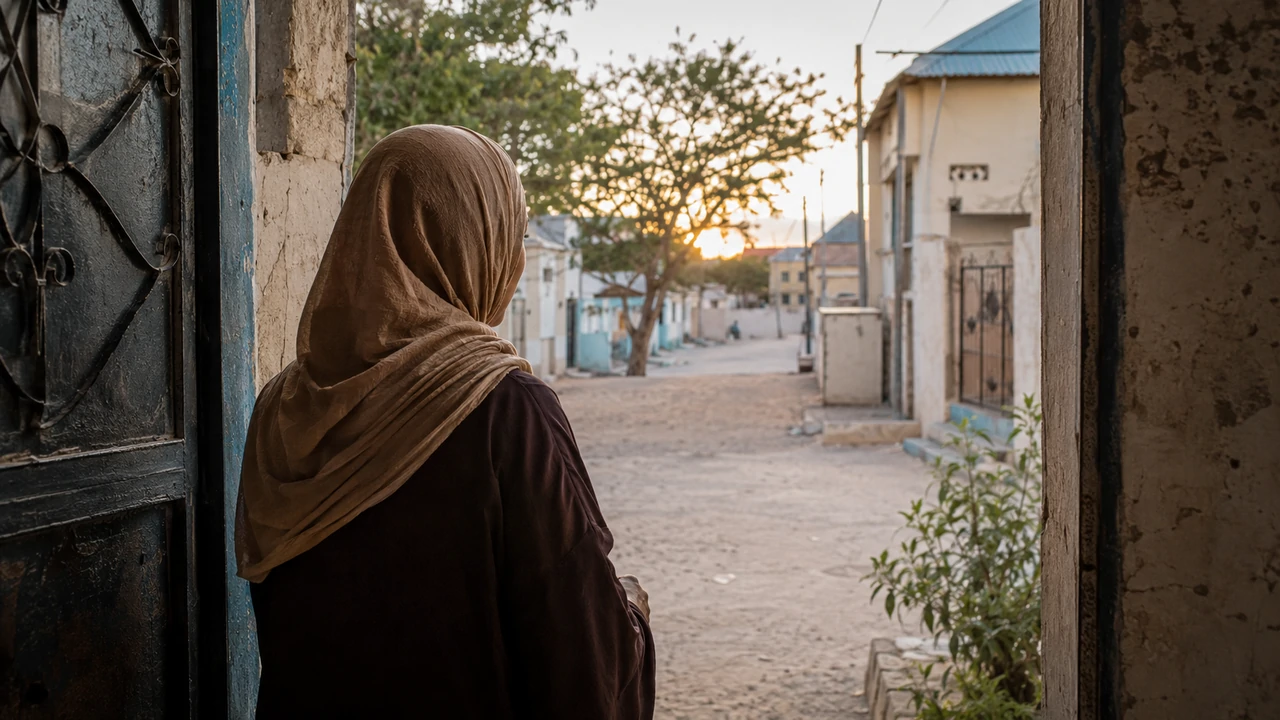
For decades, Somali families have lived with armed conflict, political division, displacement, drought and hunger. For Somalia’s small and largely hidden Christian community, following Jesus may also bring rejection by family or clan, loss of housing or work, forced displacement or violent attack. Pray that God would protect and strengthen Somali believers, provide for families in need, restrain violence, give wisdom and integrity to leaders, and bring many Somali people to repentance and faith in Christ.
Prayer Burden at a Glance
Pray for hidden believers to remain faithful and receive safe fellowship and sound teaching; for armed groups to lose their power; for families to receive food, water and health care and regain reliable ways to support themselves; for peaceful agreement among federal, regional and opposition leaders; and for Somali people to hear the gospel clearly, repent and trust in Jesus Christ.
Last verified: 5 August 2026
Why Somalia Needs Prayer Now
Somalia needs prayer for persecuted believers, protection from armed violence, relief from hunger and disease, peaceful political agreement and the spread of the gospel.
Many Somali families face several dangers at once. Armed conflict threatens communities, drought destroys livelihoods, hunger weakens children and displacement leaves people without secure homes or reliable public services.
Humanitarian figures differ because agencies assess different periods. The World Food Programme currently reports that 6.5 million people are projected to face Crisis-level hunger or worse, including 2 million in Emergency conditions. It also projects that 1.84 million children will suffer acute malnutrition during 2026. Drought remains widespread after repeated poor rainy seasons, while conflict, displacement and high living costs continue to weaken families’ ability to recover.
Somalia’s health and humanitarian systems are also under severe strain. Cholera, measles, diphtheria and other preventable diseases affect communities where clean water, vaccination, nutrition treatment and functioning clinics are limited. Humanitarian funding has fallen sharply, reducing the assistance available while large numbers of families still need food, clean water, nutrition treatment, health care and help to earn a living again.
Children are among those most severely affected. Millions remain outside school because of poverty, displacement, insecurity, long distances, teacher shortages and barriers that keep many girls from attending school. Children without safe education may face greater danger of exploitation, early marriage, child labour or recruitment by armed groups.
Somalia should not be understood only through its suffering. Parents continue protecting their children. Communities share food and water with displaced neighbours. Teachers work in difficult conditions, and health workers care for the sick with limited supplies. Many Somali people long for peace, honest government and the opportunity to rebuild their lives.
Country Snapshot
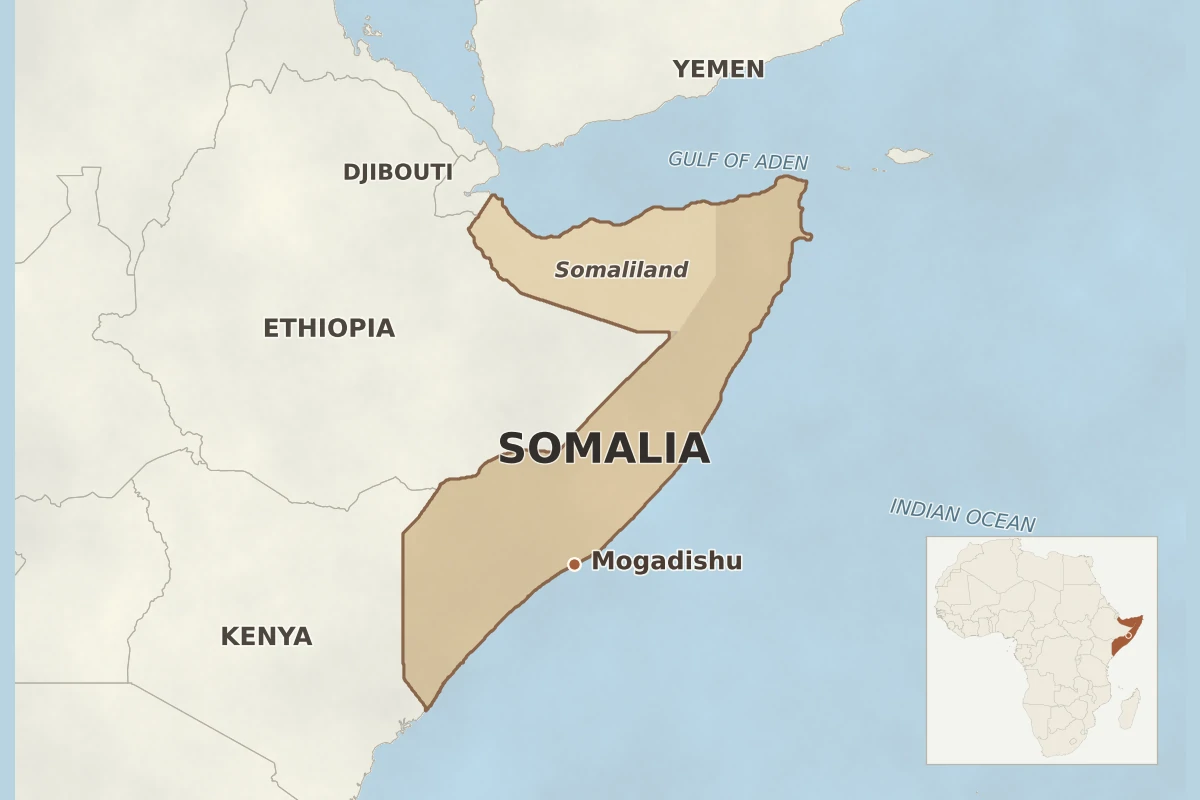
A brief orientation to Somalia’s location, government, population, religious setting and contested territorial context.
Spiritual and Practical Challenges Affecting Christians and Churches
Somali believers face danger from family, clan, community and militant groups, together with isolation, poverty, displacement and limited access to mature Christian leadership.
Following Christ may bring severe danger
Somali believers generally cannot live openly as Christians. Conversion from Islam may be regarded as a rejection of family, clan, community and national identity. When a person’s faith becomes known, relatives or community members may respond with rejection, threats or violence. Open Doors reports that converts may face family rejection, violence and even death, while USCIRF identifies al-Shabaab’s targeting of Christian converts as a continuing religious-freedom threat.
Many believers have little Christian fellowship
Some Somali Christians may know no other believer nearby. They may have no safe congregation, trained pastor or mature Christian friend with whom they can pray, study Scripture or discuss temptation and suffering. New Christians may receive teaching from distant sources without a trusted pastor or mature believer to help them compare what they hear with Scripture.
Family and clan opposition may affect every part of life
Family and clan relationships often provide identity, employment, housing, marriage connections and personal protection. A Christian who is disowned may lose family support and clan protection, leaving the person especially vulnerable. Believers need wisdom to honour parents and relatives wherever they can do so without denying or disobeying Christ.
Conflict and poverty increase the danger
Christians who are poor, displaced or unemployed may have few safe places to seek help. Receiving assistance through a known Christian organization could reveal their faith. Displaced believers may also enter unfamiliar communities where they have no trusted relationships and face close scrutiny.
Access to mature Somali Christian leadership is limited
Somali believers need pastors, teachers and disciplers who understand both Scripture and the realities of Somali life. Limited access to careful theological training may leave Christians vulnerable to fear, manipulation, false teaching or advice that does not prepare them to endure suffering wisely.
Christian Life and Witness in Somalia
Christian life in Somalia is often quiet and hidden, requiring courage, careful judgment, access to Scripture and fellowship that does not expose vulnerable people.
Public information about Somali Christians is necessarily limited because details about believers, gatherings and ministry networks could place people in danger. Precise estimates of the Christian population should therefore not be treated as settled facts.
For many believers, Christian life may remain quiet and hidden. A person may read Scripture privately, pray alone, receive teaching through secure means or wait a long time before meeting another Christian.
Faithfulness may involve refusing dishonesty, caring for relatives, helping neighbours, forgiving those who cause harm and refusing to participate in hatred or revenge. These ordinary acts do not replace speaking about Christ, but they show how the gospel changes a believer’s conduct.
Somali Christians also need wisdom about when and how to speak. Speaking openly about Christ may place them and others in danger, yet fear may keep them silent when a safe opportunity arises. Pray that the Holy Spirit would give them courage without recklessness and caution without denial of Christ.
Somali believers living in other countries may have greater freedom to worship, study Scripture and speak publicly. They may also live with trauma and loneliness, face rejection or opposition from relatives, and struggle to adapt to a new society. Churches serving Somali communities should welcome people with humility and genuine love, explain the gospel clearly, respect people’s dignity and prepare new believers for the real cost of following Christ.
Recent Developments
Constitutional disagreement, Somaliland’s contested status, continuing armed violence and a worsening humanitarian emergency all affect how Christians can pray for Somalia now.
-
March–August 2026
Permanent Constitution and unresolved electoral dispute
Somalia’s Federal Parliament approved a permanent Constitution in March 2026. Federal authorities said it ended the provisional constitutional period and would support stronger institutions and direct elections. Opposition leaders and the administrations of Puntland and Jubaland reject important parts of the process and dispute their effect on federal mandates and elections. As of 5 August 2026, Somalia’s political leaders had not reached broad agreement on the electoral process.
Prayer significance: Pray that political leaders would reject armed confrontation, listen seriously to legitimate concerns and reach an agreement that protects citizens rather than political factions.
-
June 2026
Political tensions led to armed clashes in Mogadishu
Disagreements over the Constitution and elections contributed to armed clashes in civilian areas of Mogadishu. The African Union, United Nations and other international partners called for restraint, civilian protection and renewed political dialogue.
Prayer significance: Pray for civilians to be protected, for those involved in the fighting and the security forces to show restraint, and for a lawful resolution that avoids revenge and further violence.
-
December 2025–August 2026
Israel recognized Somaliland amid competing sovereignty claims
Israel recognized Somaliland as an independent state in December 2025. Somaliland’s leaders welcomed the decision as support for their long-standing claim to sovereignty. Somalia’s federal government rejected the recognition, while the African Union and many other governments reaffirmed Somalia’s internationally recognized territorial integrity.
Prayer significance: Pray that disagreements over sovereignty and recognition would be handled without violence and that foreign governments would not exploit Somali divisions for strategic advantage.
-
2026
Al-Shabaab and Islamic State–Somalia remain serious threats
Somali forces, regional forces and international partners continue military operations against al-Shabaab and Islamic State–Somalia. The African Union Support and Stabilization Mission in Somalia remains involved in protecting civilians, supporting stabilization and helping Somali forces take greater responsibility for national security. Al-Shabaab still has the ability to attack civilians and officials, recruit young people and control communities through threats and violence.
Prayer significance: Pray that armed groups would lose their ability to terrorize communities and that security forces would protect civilians, act with discipline and answer for abuses.
-
August 2026
Drought-driven displacement continued as hunger remained severe and aid shrank
Families continued leaving rural communities after prolonged drought, failed harvests, livestock losses, conflict and rising costs exhausted their remaining resources. Associated Press reporting from Baidoa on 12 August documented newly displaced families arriving in the city in search of food and water. The World Food Programme reports that 6.5 million people are projected to face Crisis-level hunger or worse, including 2 million in Emergency conditions, while 1.84 million children are projected to suffer acute malnutrition during 2026. Humanitarian funding has also fallen sharply, making it harder for aid organizations to meet the scale of need.
Prayer significance: Pray for food, clean water, nutrition treatment and health care to reach displaced and drought-affected families; for humanitarian assistance to be sustained and distributed fairly; and for families to regain reliable ways to support themselves so that they are not repeatedly forced from their homes.
How to Pray for Somalia
Pray for believers to remain faithful, for the gospel to spread, for deliverance from violence, for honest government, for mercy toward families in need and for hope in Christ’s return.
-
Pray for believers to remain faithful. Ask God to protect Christians whose faith must remain hidden, help them trust Christ and understand Scripture, and provide safe fellowship, careful pastoral support and trustworthy Somali-speaking teachers.
-
Pray for the gospel to spread. Ask the Holy Spirit to show Somali people their need for forgiveness and bring them to repentance and faith in Christ. Pray for accurate and understandable Somali-language Bibles, teaching and gospel resources.
-
Pray for deliverance from armed extremism. Pray that al-Shabaab, Islamic State–Somalia and other armed groups would lose recruits, money, weapons, territory and influence. Ask God to prevent planned attacks, release captives and lead militants to repentance.
-
Pray for peace and honest government. Pray for federal, regional and opposition leaders to seek reconciliation and the welfare of the population. Ask God to restrain political violence, corruption, revenge and the misuse of security forces.
-
Pray for hungry and displaced families. Ask God to send needed rain, restore water sources, help families earn a living again, sustain food and nutrition assistance, provide timely treatment for malnourished children, and protect displaced families from violence, exploitation and forced eviction.
-
Pray for children and young people. Pray for safe schools, trained teachers, learning materials and school meals, and ask God to protect children from armed recruitment, forced labour, early marriage and abuse.
-
Pray with lasting Christian hope. Pray that Somali believers would remain faithful as they wait for Christ’s return. Ask God to save many Somali people, form churches marked by truth, holiness, mercy and courage, and bring justice and peace under Christ’s righteous rule.
Give Thanks
Give thanks for believers God is preserving, opportunities to hear the gospel and people serving Somali communities with courage and mercy.
Give thanks for every Somali believer whom God is preserving, including those whose names and stories cannot safely be shared.
Thank God for every opportunity Somali people have to read or hear the gospel and for faithful Christians who provide Scripture, discipleship and pastoral care while protecting vulnerable believers.
Give thanks for teachers who continue serving children amid poverty, displacement and insecurity.
Thank God for health workers, nutrition teams, humanitarian staff and local organizations caring for people during drought, hunger and disease.
Give thanks for families and communities that share food, protect children, welcome displaced neighbours and rebuild after loss.
Thank God for every act of political restraint, honest mediation, public service and reconciliation.
Give thanks that no hidden place, armed group or social barrier lies beyond God’s sovereign rule. Pray that He would preserve His people, save the lost and bring truth, justice, mercy and peace to Somalia.
Last Verified / Update Note
This note helps readers understand when the guide was reviewed and which developments may affect how they use it for prayer.
Review Status
Current review summary
This guide was fully reviewed on 5 August 2026. On 15 August 2026, information about drought, hunger, displacement, child malnutrition and reduced humanitarian assistance was updated using current World Food Programme data, Associated Press reporting from Baidoa and reporting from the Somali Disaster Management Agency.
The main prayer needs are for hidden believers to be protected and remain faithful; for Somali people to come to repentance and faith in Christ; for extremist violence to be restrained; and for political leaders to reach peaceful agreement. Pray also for civilians to be protected, for hungry and displaced families to receive food, clean water, nutrition treatment and medical care, for children to have safe education, and for leaders to govern honestly for the good of the population.
Developments to watch include the federal government’s electoral negotiations with opposition and regional leaders; any official publication of the complete 2026 Constitution; relations between the federal government, Puntland and Jubaland; Somaliland’s recognition and diplomatic status; changes in al-Shabaab and Islamic State–Somalia activity; and the future and financing of AUSSOM. Humanitarian developments to watch include major changes in hunger and malnutrition assessments, further reductions in assistance, new displacement, and severe floods or other climate-related emergencies.
Official government sources show how Somalia’s federal authorities and Somaliland’s authorities describe their own positions. Because these sources represent parties to contested political and territorial questions, their statements do not by themselves settle those disputes. Somali, regional and international reporting provides additional context and other perspectives where available. Public reporting about Somali Christians is necessarily limited because detailed information could place believers at risk.
Help keep this guide accurate and current
If you noticed a possible correction, broken link, or significant country update, please contact the Nations Prayer Directory so we can review it carefully.
Key Sources Consulted
Selected official, Somali, regional, international and humanitarian sources, together with specialist sources on Christian persecution and religious freedom, that materially informed this Somalia prayer guide.
Government, Constitution and political dialogue
- Villa Somalia — The President. Identifies Hassan Sheikh Mohamud as President in the federal presidency’s official listing.
- Villa Somalia — Office of the President. States the presidency’s position that the incumbent remains in office until a president-elect assumes office.
- Office of the Prime Minister — Prime Ministers of Somalia. Identifies Hamza Abdi Barre as Prime Minister.
- Villa Somalia — Constitution. Confirms that a permanent Constitution was approved in March 2026 and superseded the provisional framework.
- Somali National News Agency — Parliament Approves Official Constitution. Provides the federal Parliament’s account of the constitutional vote.
- Somalia Ministry of Information — Commitment to One-Person, One-Vote Elections. States the federal government’s position on direct elections and political consultation.
- African Union Commission — Somalia Political Talks. Records that negotiations ended without consensus.
- African Union Commission — Mogadishu Security Developments. Confirms armed clashes and calls for restraint, civilian protection and dialogue.
- Garowe Online — July Electoral Talks. Provides reporting that reflects Puntland and opposition perspectives on the continuing deadlock.
- Associated Press — June Mogadishu Clashes. Reports the fighting and distinguishes competing government and opposition accounts.
Somaliland and territorial status
- Somaliland Ministry of Foreign Affairs — Recognition by Israel. States Somaliland’s official position on Israel’s December 2025 recognition.
- Somalia Ministry of Foreign Affairs — Joint Rejection Statement. Presents Somalia’s official rejection of the recognition.
- African Union Commission — Somaliland Recognition Statement. Reaffirms the African Union position on Somalia’s territorial integrity.
Security, conflict and civilian conditions
- European Union Agency for Asylum — Somalia Security Situation, May 2026. Assesses armed actors, political fragmentation, territorial presence and effects on civilians.
- African Union Commission — AUSSOM Mandate Update. Describes AUSSOM’s role in civilian protection, stabilization and security transition.
- Human Rights Watch — World Report 2026: Somalia. Documents al-Shabaab attacks, conflict-related civilian harm, displacement and humanitarian needs.
- United States Africa Command — Somalia Strike Statement. Confirms continuing U.S. operations against al-Shabaab; casualty claims in military statements are not presented here as independently established.
Hunger, health, displacement, education and livelihoods
- Integrated Food Security Phase Classification — April–June 2026 Update. Provides the April–June 2026 hunger projection for comparison with later 2026 estimates.
- World Food Programme — Somalia Emergency. Provides the current national hunger estimates, including 6.5 million people projected at Crisis level or worse, 2 million in Emergency conditions, the 2026 child-malnutrition projection and current funding shortfalls affecting humanitarian assistance.
- Associated Press — Somalia drought displacement, 12 August 2026. Documents continuing drought-driven displacement into Baidoa, exhausted household resources, food and water shortages, shrinking assistance and severe child malnutrition and disease burdens.
- Somali Disaster Management Agency — Drought-Affected Communities Assessment, 11 July 2026. Provides Somalia’s official humanitarian perspective from field assessment of drought-affected communities and displacement settlements and records the agency’s call for increased life-saving assistance.
- World Health Organization — Public Health Situation Analysis. Documents disease outbreaks, malnutrition and health-system pressures.
- UNHCR Somalia — Protection and Solutions Monitoring Network Reports. Documents displacement patterns during 2026.
- UNICEF Somalia — Education. Describes the scale and causes of school exclusion.
- UNICEF Somalia — Immunization. Reports the number of children who had never received routine vaccination and the catch-up response.
- World Bank — Somalia Economic Update 2026. Assesses declining aid, drought, living costs, growth and livelihood risks.
Christian life and religious freedom
- United States Commission on International Religious Freedom — Religious Freedom in Somalia, May 2026. Identifies threats to Christian converts and dissenting Muslims.
- Open Doors — Somalia, 2026 World Watch List. Provides specialist information about family and clan rejection, secrecy, isolation, militant violence and discipleship needs.
Source Context
How to read the sources behind this guide in a setting where political claims are contested, security conditions are dangerous and information can change quickly.
Source Context
- Political dispute. Somalia’s federal government and its opponents disagree about the legal effect of the 2026 constitutional changes, the duration of federal mandates and the electoral model. Because these legal questions remain contested, no single interpretation is presented here as legally settled.
- Constitutional text. Official federal sources confirm that a permanent Constitution replaced the provisional charter in March 2026. An authoritative public copy of the complete 2026 Constitution was not available, so its current clauses on religion could not be confirmed. For that reason, this guide does not quote the 2012 Constitution’s religious provisions as if they were confirmed in the 2026 text.
- Somaliland terminology. Somaliland’s authorities describe Somaliland as an independent republic, while Somalia’s federal government and the African Union regard it as part of Somalia. References to Somaliland therefore distinguish between Somaliland’s claim to independence and the positions of Somalia’s federal government and the African Union.
- Humanitarian estimates. Hunger, malnutrition and displacement figures vary because agencies use different assessment dates, projection periods and geographic coverage. Current World Food Programme figures provide the national hunger and child-malnutrition estimates cited here, while the earlier April–June IPC assessment offers a dated comparison with later 2026 conditions. August reporting from Baidoa provides current evidence of displacement and household hardship but should not be read as a national population estimate.
- Security reporting. Territorial control, casualty numbers and the effects of airstrikes or ground operations can be difficult to confirm independently. Uncertain battlefield totals and unverified military claims are therefore not presented as settled facts.
- Christian population and church life. Public information is limited because exposure can endanger believers. Precise Christian-population estimates and identifying details about congregations, leaders or ministry networks are omitted because such information could place believers at risk.
A Closing Prayer for Somalia
A prayer for Somalia’s hidden believers, the spread of the gospel, peace, honest leadership, and families facing hunger and displacement.


