


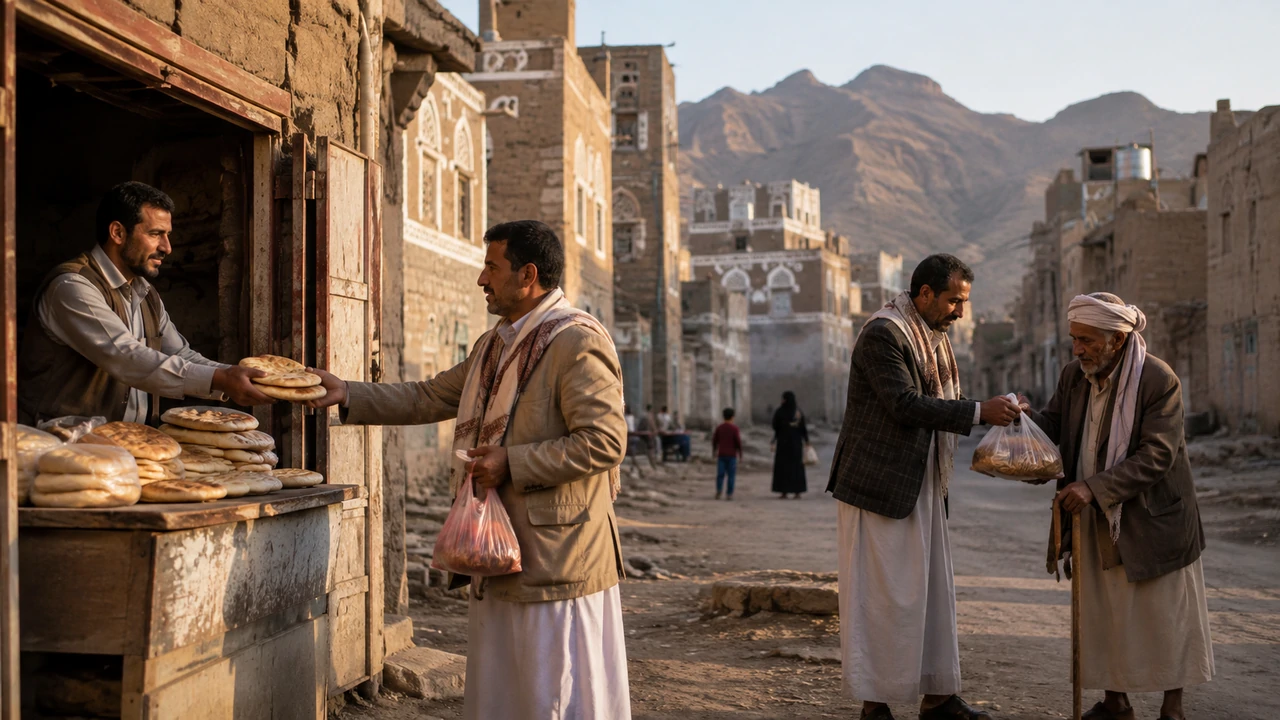
Yemen has endured years of war, divided rule, hunger, displacement, economic hardship and damaged public services. Large-scale fighting eased after the 2022 truce, bringing some relief, but no lasting peace followed. Renewed violence in 2026 is now putting that fragile calm under serious strain.
Yemen’s Christians live amid the same hunger, insecurity and uncertainty as their neighbours, while some face added danger because they follow Christ. Converts may experience rejection or hostility within their families and communities. Christians have been detained, and many believers must be cautious about gathering with other Christians or revealing their faith. Believers need prayer for safety, but also for faithful discipleship, trusted fellowship, courage, wisdom and endurance in Christ.
Prayer Burden at a Glance
Pray that God would restrain Yemen from renewed and widening war, bring relief to families facing hunger and failing services, and give wisdom to those seeking a just peace. Pray especially for Christians who follow Christ quietly, for those facing detention or family hostility, and for the gospel to bear fruit among Yemen’s people.
Last verified: August 15, 2026
Why Yemen Needs Prayer Now
Renewed conflict, severe humanitarian need, and detention, family hostility and isolation faced by a small and vulnerable Christian community give Christians strong reasons to pray for Yemen with understanding and perseverance.
Yemen’s long conflict has become more dangerous again. The 2022 truce sharply reduced large-scale fighting, but it did not lead to a comprehensive peace settlement. During 2026, the United Nations continued urging the parties to preserve the relative calm and return to political negotiations. Renewed attacks inside Yemen, violence across the Saudi border and confrontation around Red Sea shipping now threaten to undo some of that restraint.
Even where front lines are quieter, daily life remains extremely difficult. WHO estimates that 23.1 million people need humanitarian assistance in Yemen in 2026, while only about 60 percent of health facilities are fully functional. Hunger, disease, economic decline and damaged services continue to place enormous pressure on families. In government-controlled areas alone, food-security assessments projected that more than five million people would face Crisis-level or worse acute food insecurity during the 2026 lean season.
Christians share these burdens, and some also face danger because of their faith in Christ. Recent arrests of Christians in Houthi-controlled areas have increased fear within an already small and vulnerable community. Because many believers keep their faith private, the full condition of Christian life cannot be measured confidently from public information alone.
Christians praying for Yemen should remember several needs at once: restraint of violence, relief for those who are suffering, justice where people are abused, wisdom for those with political and military authority, protection and perseverance for Christians, and the spread of the gospel.
Country Snapshot
A brief orientation to Yemen’s location, divided political order, and Christian context.
Yemen lies at the southern end of the Arabian Peninsula beside the Red Sea, Gulf of Aden and Bab al-Mandab. Its location means that conflict within Yemen can quickly affect neighbouring Saudi Arabia, Red Sea shipping and wider regional security.
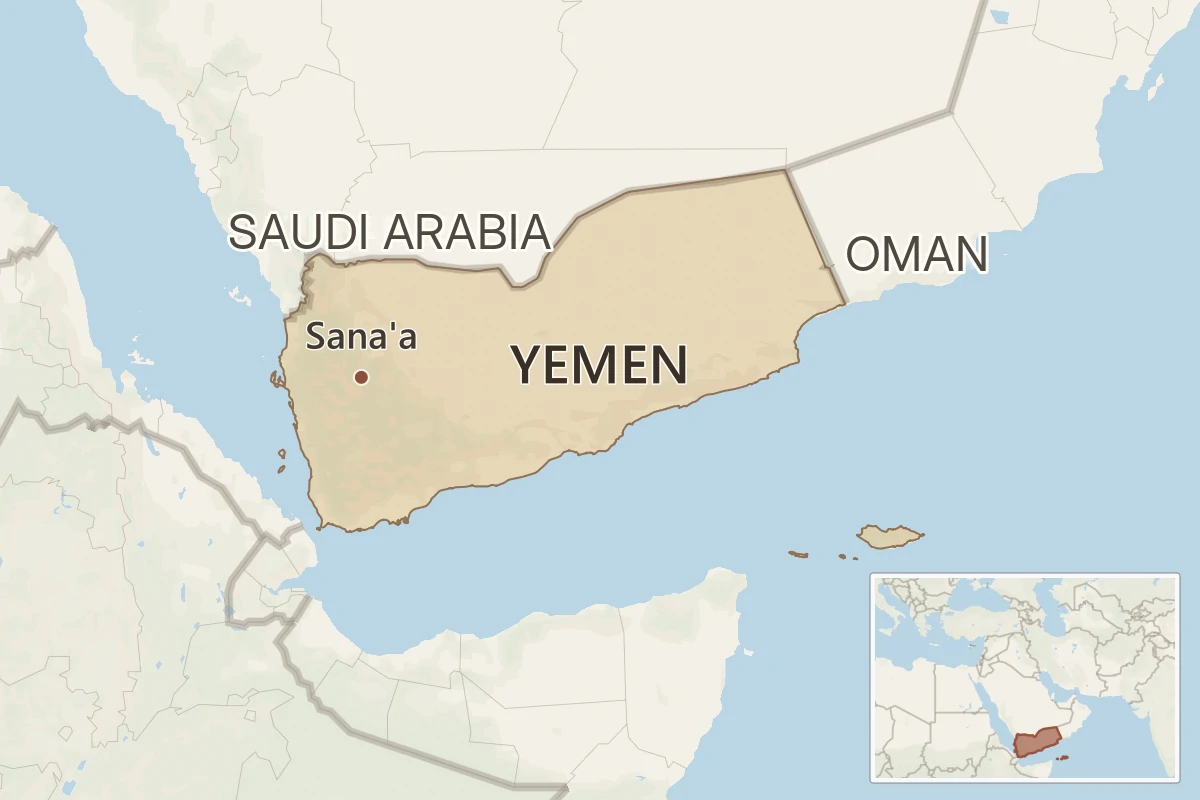
Political authority remains divided. The internationally recognized government is led by a Presidential Leadership Council and operates principally from Aden. Ansar Allah, commonly known as the Houthis, controls Sana’a and much of northwestern Yemen.
The situation outside Houthi-controlled areas is also complicated. Fighting and political upheaval in late 2025 and early 2026 changed the balance of power in southern and eastern Yemen. The Southern Transitional Council was dissolved, Saudi-backed forces gained greater influence in areas including Hadramawt and Al-Mahra, and government structures were reorganized. Longstanding southern grievances and competing political loyalties remain.
The internationally recognized government and Ansar Allah remain the main national rivals, but Yemen cannot be understood as two completely unified camps. Local forces, regional governments and competing political interests continue to influence fighting, alliances and political control.
Yemen is overwhelmingly Muslim. Because many Christians keep their faith private and others have left the country, no reliable public count of believers exists. Credible reporting nevertheless shows that Christians remain in Yemen, including converts whose faith in Christ can expose them to serious danger.
Spiritual and Practical Challenges Affecting Christians and Churches
Christians in Yemen can face family pressure, severe restrictions, detention, isolation, and the same humanitarian hardship affecting the wider population.
Conversion can carry a high personal cost
Yemenis who become known as Christians may face rejection, intimidation, family pressure or the loss of important relationships and practical support. Many believers therefore have strong reasons to be careful about revealing their faith.
Religious freedom is severely restricted in Houthi-controlled areas
Christians and other religious minorities can face surveillance, detention and pressure in an environment that allows little space for religious dissent. Recent arrests have deepened fear among vulnerable communities.
Recent Christian detentions have increased fear
Human Rights Watch documented more than 20 Christians detained beginning in late 2025. Christian ministry organizations have reported higher totals. The exact number is uncertain, but the documented detentions are serious for such a small and largely hidden Christian community.
Hidden fellowship makes discipleship harder
When believers cannot safely identify one another or gather openly, finding trustworthy Christian teaching, mature counsel, pastoral care and regular fellowship becomes more difficult. Pray specifically for these needs while avoiding details that could expose people, locations or ministry networks to danger.
Christians also share Yemen’s wider suffering
Hunger, damaged health care, economic hardship and insecurity affect believers alongside their neighbours. Christian endurance in Yemen therefore involves both the pressures connected to following Christ and the ordinary struggle to live faithfully through a deep national crisis.
Christian Life and Witness in Yemen
Faithful Christian life in Yemen often requires unusual caution, perseverance, sound teaching, and practical love for neighbours who are also facing hunger and insecurity.
For many Yemeni believers, following Christ requires a degree of caution that Christians elsewhere may find difficult to imagine. A believer may need to think carefully about whom to trust, where a conversation about faith can take place and whether meeting another Christian could expose either person to danger.
This hiddenness can bring deep loneliness. A new believer may have little access to mature Christian teaching or fellowship. Someone rejected by relatives can lose not only family affection but also practical support and a sense of belonging. A detained Christian may have few people who can speak publicly on his or her behalf.
Because open identification can be dangerous, public silence tells us only a little about the lives of individual believers or local Christian fellowship. We should neither imagine a flourishing underground movement without evidence nor assume that Christian witness has disappeared simply because it is difficult to see.
Yemeni believers need Scripture, prayer, fellowship, sound teaching, mature discipleship and the sustaining work of the Holy Spirit. Receiving these ordinary helps for Christian growth, however, may require unusual wisdom and perseverance.
Their witness also takes place among neighbours carrying enormous burdens. Faithfulness may be seen in quiet generosity, care for those who suffer, honesty when circumstances are difficult, patience within families, forgiveness instead of retaliation, and refusal to be consumed by political or sectarian hatred.
Pray not merely that Yemeni believers survive, but that they grow in holiness, truth and love, and that their lives increasingly reflect Christ.
Recent Developments
Christian detentions, political restructuring, worsening food insecurity, Red Sea confrontation and renewed fighting all give Christians specific reasons to pray for Yemen in 2026.
-
Late 2025 to early 2026
Christians detained in Houthi-controlled areas
Human Rights Watch documented more than 20 Christians detained from Sana’a, Ibb and other areas beginning in late 2025. Christian ministry sources have reported higher numbers. In a small and largely hidden Christian community, arrests like these can spread fear far beyond those directly detained.
Prayer significance: Pray for detained Christians, their families, protection from abuse, and freedom for those unjustly imprisoned.
-
January to March 2026
Government-held Yemen underwent major political and security changes
The Southern Transitional Council lost control in parts of eastern Yemen and was subsequently dissolved. Government-aligned political and security structures were reorganized, strengthening Saudi influence while leaving important southern political grievances unresolved.
Prayer significance: Pray for wisdom, restraint and a just peace amid shifting political and security arrangements.
-
June 2026
Food insecurity remained severe
Food-security assessments projected that about 5.4 million people in government-controlled areas could face Crisis-level or worse acute food insecurity during the June-September lean season. Hunger therefore remains a daily threat for millions of families even where major fighting is not taking place.
Prayer significance: Pray for food, medicine, clean water and functioning health care to reach families in greatest need.
-
July 2026
Red Sea confrontation again threatened Yemen’s fragile calm
Renewed Houthi attacks affecting commercial shipping increased regional tension. The UN warned that further escalation could deepen Yemen’s suffering and draw the country further into wider confrontation. At the same time, UN-led contacts with both the internationally recognized authorities and Ansar Allah continued, so channels for negotiation remained open.
Prayer significance: Pray for restraint, protection of civilians, and wise use of the remaining channels for negotiation.
-
August 6-9, 2026
Fighting escalated sharply
Houthi attacks on government-aligned forces in Marib and Hadramout caused some of the heaviest reported military casualties since the 2022 truce. Cross-border attacks subsequently injured civilians in Saudi Arabia, and further attacks were reported around Mocha and a Saudi oil facility in Jazan. The parties sharply dispute responsibility and motives.
These attacks do not mean that full-scale nationwide war has already returned. But they do show that Yemen can no longer be described simply as remaining in the quieter period that followed the 2022 truce. These attacks show that further escalation remains a real danger.
Prayer significance: Pray that renewed violence would not widen into prolonged large-scale war, and remember civilians in areas exposed to fighting and cross-border attacks.
-
August 11-14, 2026
Deadly Bab el-Mandeb strike and renewed Taiz fighting deepened the escalation
Yemeni authorities said Houthi forces struck a Yemeni commercial vessel in the Bab el-Mandeb Strait with three ballistic missiles, killing six people. Associated Press follow-up reporting from Mokha said at least nine others were injured and included accounts from surviving crew members.
Fighting also continued in Taiz. Yemeni military officials told the Associated Press that at least one government soldier was killed and another critically wounded in clashes on August 13. On August 14, government-aligned forces said they had disrupted further Houthi attacks in Taiz, while the Associated Press said it could not independently verify the reported Houthi casualty toll. The Houthis also claimed attacks on Saudi oil facilities during this period; some claimed targets or effects had not received immediate Saudi confirmation.
These developments do not establish that full-scale nationwide war has returned. They do show a broader and more dangerous escalation, including deadly attacks on commercial shipping as well as renewed fighting on land.
Prayer significance: Pray for bereaved families and the injured, for civilians and seafarers exposed to renewed attacks, for restraint around Taiz, Mokha and Bab el-Mandeb, and for the present escalation not to widen into prolonged war.
How to Pray
Pray for restraint, peace, humanitarian mercy, faithful Christian endurance, gospel witness, and saving faith in Christ among Yemen’s people.
Pray for restraint from wider war. Pray that political and military leaders would turn away from actions that could return Yemen to prolonged large-scale fighting. Remember civilians in Marib, Hadramout, Taiz, Mocha, border areas and other places exposed to renewed violence, and seafarers facing danger around Bab el-Mandeb.
Pray for a just and durable peace. Pray for wisdom among Yemeni leaders, Ansar Allah representatives, Saudi officials, UN mediators and others involved in negotiations. Ask God to restrain pride, revenge, fear and the pursuit of power from destroying opportunities for meaningful peace.
Pray for families facing hunger, disease and failing services. Bring before the Lord children suffering from malnutrition, displaced families and communities with little access to treatment. Pray for food, medicine, clean water and functioning health care to reach those who need them most.
Pray for humanitarian workers and those unjustly detained. Pray for the protection of those serving vulnerable communities, for unnecessary barriers to aid to be removed, and for justice and freedom for humanitarian and civil-society workers who remain arbitrarily detained.
Pray for Christians whose faith must remain hidden. Ask God to give them courage without recklessness, wisdom about whom to trust, protection from betrayal and deep confidence that Christ knows and keeps His people even when the wider church cannot see them.
Pray for detained Christians and their families. Ask the Lord to strengthen those in detention, protect them from abuse, comfort relatives who may know little about their condition, and bring freedom to those who are unjustly imprisoned.
Pray for fellowship, discipleship and sound teaching. Pray that believers would have access to Scripture, trustworthy Christian relationships, mature counsel and wise pastoral care, and that they would be able to encourage one another safely.
Pray for holy and compassionate witness. Pray that Christians would love their neighbours, resist bitterness and sectarian hatred, care for those who suffer, speak truth wisely and show the character of Christ through ordinary faithfulness.
Pray for repentance, saving faith and lasting hope in Christ. Ask the Holy Spirit to bring Yemeni men and women to repentance and faith through the gospel. Pray that believers would endure faithfully, remembering that no government, armed movement or foreign power has the final word. Christ will establish His righteous kingdom, and the suffering of His people will not last forever.
Give Thanks
Give thanks for God’s preserving grace, acts of mercy toward the suffering, and the remaining openings for restraint and negotiation.
Give thanks for Yemeni believers whom God continues to preserve. We cannot know from public information the full number or circumstances of Christians in Yemen, but credible reporting confirms that believers remain. Thank God for each person who continues to trust Christ amid fear and uncertainty.
Give thanks for faithful Christian endurance. Where believers continue to pray, obey Christ, love their neighbours and hold to the gospel under pressure, thank God for His sustaining grace, remembering that much of Christian life in Yemen remains hidden from public view.
Give thanks for those caring for Yemen’s suffering people. Health workers, humanitarian staff and local aid workers continue to provide essential care despite insecurity, funding shortages and restrictions. Thank God for acts of mercy that bring food, medicine, protection and practical help to vulnerable people.
Give thanks that paths toward restraint and negotiation remain open. The reduction in large-scale fighting after the 2022 truce spared Yemen from still greater destruction, and diplomatic engagement has continued despite renewed violence. Thank God for every measure of restraint already shown, and pray that these remaining openings would lead toward a more durable peace.
Last Verified / Update Note
This note helps readers understand when the guide was reviewed and which developments may affect how they use it for prayer.
Review Status
Reviewed for current conditions and prayer needs
This guide was reviewed for the renewed fighting and cross-border escalation of July and August 2026, including the deadly August 11 attack on a Yemeni commercial vessel in Bab el-Mandeb and renewed fighting in Taiz and Mokha through August 14; changes within government-held Yemen during early 2026; continuing UN-led efforts toward de-escalation and negotiations; current humanitarian and food-security pressures; recent detentions of Christians; restrictions affecting religious minorities; and the continuing detention of humanitarian and civil-society workers.
Pray for restraint from wider war; protection for civilians and seafarers exposed to renewed attacks; a just and durable peace; relief from hunger, disease and failing services; protection and freedom for Christians facing detention or hostility; safe Christian fellowship and discipleship; humanitarian access; and faithful gospel witness among Yemen’s people.
Watch whether the August escalation widens or gives way to renewed restraint; developments around Marib, Hadramout, Taiz, Mocha, Bab el-Mandeb, the Saudi border and Red Sea shipping; whether reported attacks on Saudi targets receive independent or official confirmation; progress or setbacks in UN-led talks; the condition and release of detained Christians and humanitarian workers; and changes in food insecurity, humanitarian access and essential services.
Yemen is a divided and highly contested setting, so this guide distinguishes official positions from independently supported facts. It uses Yemeni government sources for the internationally recognized government’s stated position, UN records for mediation and engagement with the parties, Yemeni analysis for political and security context, humanitarian agencies for needs assessments, human-rights and religious-freedom sources for detention and Christian conditions, and reputable reporting for rapidly developing conflict events. For the post-August-10 escalation, reported casualty figures, battlefield claims and claims about Saudi targets are attributed to the source that made or reported them; details that remain unverified or disputed are not presented as settled fact.
Help keep this guide accurate and current
Conditions in Yemen can change quickly. If you know of a significant correction or reliable new information that would help keep this guide accurate, please contact the Nations Prayer Directory.
Key Sources Consulted
Sources that materially informed this Yemen prayer guide, including UN mediation records, official positions, Yemeni analysis, humanitarian assessments, human-rights reporting, religious-freedom sources, Christian ministry reporting and current conflict reporting.
Conflict, peace process and political context
- Office of the UN Special Envoy for Yemen. “Statement by the UN Special Envoy on Recent Escalation,” 23 July 2026.
- Office of the UN Special Envoy for Yemen. “UN Special Envoy Urges De-escalation During Visit to Muscat,” 14 July 2026.
- Office of the UN Special Envoy for Yemen. “UN Special Envoy Continues Engagements on De-escalation in Riyadh,” 19 July 2026.
- Yemen News Agency, SABA. “President al-Alimi and UN Envoy Discuss Efforts to Revive Yemen Peace Process,” 18 July 2026.
- Yemen News Agency, SABA. “Yemeni Government Condemns Houthi Attack on Saudi-Operated Vessel in Red Sea,” 23 July 2026.
- Sana’a Center for Strategic Studies. “The Yemen Review Quarterly: January–March 2026,” 24 April 2026.
- Saudi Press Agency. “Saudi Foreign Ministry Response to Houthi Blockade Allegations,” 20 July 2026.
- Associated Press. “Saudi Military Says Houthi Attacks Injured Civilians Near the Yemen Border,” 6 August 2026.
- Associated Press. Middle East developments including Houthi attacks on Mocha and Jazan, 9 August 2026.
- Associated Press. “Iranian-backed Houthis kill 6 in attack on vessel, and other developments in the Mideast,” 11 August 2026.
- Associated Press. “Crew of Yemeni vessel recounts their chaotic rescue after Houthis’ deadly attack,” 13 August 2026.
- Associated Press. “Iran-backed Houthis clash with Yemeni forces and other Mideast developments,” 13 August 2026.
- Associated Press. Middle East developments including renewed fighting in Taiz and attacks around Mokha, 14 August 2026.
Humanitarian conditions
- World Health Organization. “Yemen: WHO Health Emergency Appeal 2026,” 3 February 2026.
- World Food Programme. “Nearly Half of the Population in Government-Controlled Areas of Yemen Face Acute Food Insecurity,” 3 June 2026.
- Human Rights Watch. “Yemen: Houthis Should Free UN, Civil Society Staff,” 7 June 2026.
Christians and religious freedom
Source Context
How to understand the sources behind this guide in a divided country where events change quickly and some information is difficult to verify.
Source Context
- Source mix. This guide draws on official Yemeni and regional statements, UN mediation records, Yemeni analysis, international humanitarian agencies, human-rights and religious-freedom organizations, Christian ministry reporting, and independent news reporting. No single source is treated as sufficient for Yemen’s contested political and security picture.
- Official positions. Statements from the internationally recognized Yemeni government and Saudi authorities are used to show those authorities’ stated positions, not as independent proof of disputed accusations. Official Ansar Allah webpages were not consistently accessible when this guide was last verified. Where the Ansar Allah position matters, the guide relies on clearly attributed statements reported by reputable outlets and on UN records of direct engagement with Ansar Allah representatives.
- Fast-moving developments. The July and August 2026 security situation is changing quickly. Recent events are therefore dated, and disputed explanations of responsibility or motive are not presented as settled fact. For August 11-14, reports about the deadly vessel strike include statements from Yemeni authorities and accounts from surviving crew members. Battlefield claims in Taiz and Mokha, Houthi claims about Saudi targets, and some other details were not independently verified in the cited reporting. Those uncertain details are described cautiously, and the guide does not assume that the present escalation will either continue or subside.
- Christian reporting. Public information about Yemen’s Christians is necessarily incomplete because many believers keep their faith private. Human Rights Watch independently documented more than 20 Christian detentions beginning in late 2025, while Christian ministry organizations have reported higher numbers. For that reason, the higher totals reported by Christian ministry organizations are not presented as independently confirmed.
- Christian population figures. No precise current count of Christians in Yemen can be established confidently. The guide therefore does not give an exact Christian population figure and instead describes conditions that can be stated with reasonable confidence.
A Closing Prayer for Yemen
A prayer bringing Yemen’s present needs before the Lord.


